Choosing a preschool is one of the most important early decisions many families make. In our experience, parents in Miramar are not only looking for safe and reliable childcare. They are also looking for a place where their child feels secure, develops confidence, builds social skills, and enjoys a strong foundation for later learning. Because there are several early learning options across Wellington, it helps to have a clear way to compare them.
When we speak with families, we often find that the best choice is rarely about one feature alone. It is usually a combination of teaching quality, environment, values, communication, and whether the service feels like the right fit for your child and whānau. If you are exploring a Montessori setting, you may also find it helpful to read more about our Montessori approach, see our learning environment, or contact us to arrange a visit.
We usually encourage parents to look beyond marketing language and focus on what they can observe. In New Zealand, licensed early childhood services must meet regulatory standards, and parents can also use Education Review Office information to help understand how a service supports children’s learning and wellbeing.
Children learn best when they feel emotionally safe. During a visit, notice whether kaiako greet children warmly, speak respectfully, and respond calmly to children’s needs. We typically suggest watching how adults interact during ordinary moments, not just planned activities.
Every preschool should be able to explain how children learn in its setting. In New Zealand, early childhood services work within Te Whāriki, the national early childhood curriculum. The difference lies in how each service brings that curriculum to life day to day. Some centres are more play-based, some more structured, and authentic Montessori environments follow a carefully prepared approach that supports independence, concentration, movement, and hands-on learning.
We often see parents notice the “feel” of a centre immediately. Is it rushed and noisy, or calm and purposeful? Is the environment clean, organised, and designed around children’s size and capabilities? A good preschool environment should make it easier for children to participate independently and confidently.
Good preschool partnerships are built on trust. Ask how teachers share updates, how concerns are handled, and how family aspirations are included. In our experience, strong communication makes settling easier and helps children feel consistency between home and preschool.
Location, hours, session options, transition support, meal arrangements, and drop-off routines all matter. For Miramar families, convenience can make a real difference to consistency, especially when balancing work, school runs, and Wellington traffic patterns.
When families visit us, we encourage them to ask detailed questions, not just general ones. A quality preschool should be comfortable answering clearly.
We also recommend asking yourself a simple question after each visit: can I imagine my child feeling secure, known, and happy here?
| Area to compare | What to look for | Why it matters |
|---|---|---|
| Licensing and oversight | A licensed service that can explain its standards and review processes | This gives parents a baseline for health, safety, staffing, and operations |
| Teaching practice | Warm, attentive kaiako who engage thoughtfully with children | Responsive relationships support learning, wellbeing, and settling |
| Educational philosophy | A clear, consistent approach that is visible in the classroom | Children benefit when practice matches stated values |
| Environment | Orderly, welcoming spaces with accessible materials and purposeful layout | The environment shapes independence, focus, and confidence |
| Communication | Regular, respectful updates and clear channels for questions | Strong family partnerships improve continuity between home and preschool |
| Daily routine | A balance of freedom, routine, rest, movement, and outdoor time | Children thrive with predictable structure and room to explore |
| Cultural responsiveness | Visible respect for identity, language, culture, and local context | Children and whānau should feel recognised and included |
| Practical fit | Hours, location, fees, and routines that work for your family | Consistency is easier when logistics are manageable |
One of the biggest long-term differences between preschools is not the equipment or the décor. It is the underlying approach to learning. We often encourage families to spend time understanding how a centre supports concentration, problem-solving, social development, language, movement, and self-care.
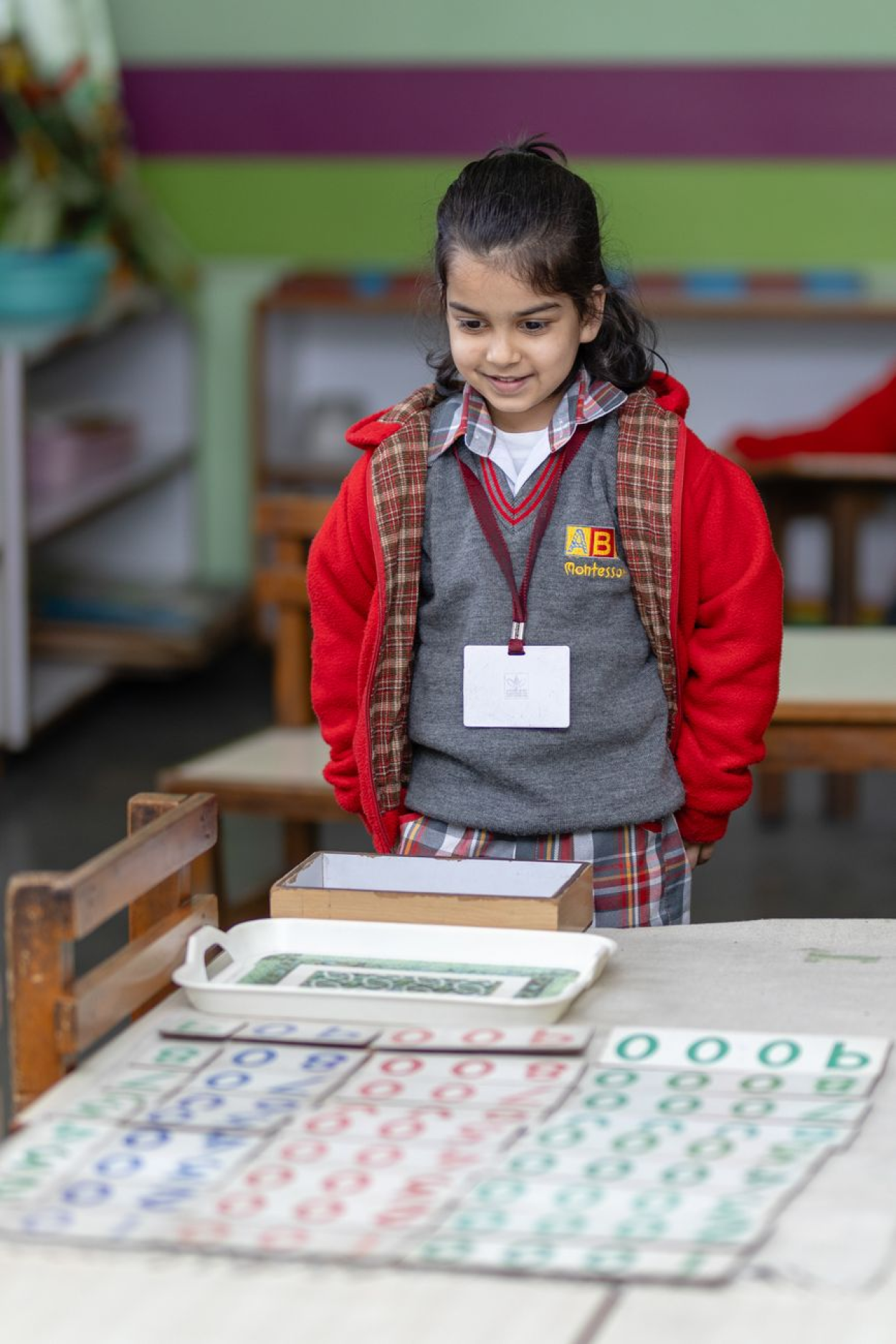
In an authentic Montessori setting, children are supported to choose purposeful work, repeat tasks until mastery, care for their environment, and develop independence at their own pace. For many families, this approach is especially appealing because it helps children build confidence through real participation rather than constant adult direction. If you are comparing philosophies, you can learn more about our team and values and explore how Montessori works in practice.
That said, the right approach is the one that suits your child as well as your family’s values. Some children flourish in highly ordered environments. Others may need a particular style of transition support, routine, or teacher interaction. We usually advise parents to observe the match between philosophy and practice, not just the label.
For families in Miramar, local practicality often shapes the final decision. A preschool may look ideal on paper, but day-to-day logistics matter. We often suggest thinking through your actual week rather than your ideal week.
In our experience, families are happiest when the preschool is both educationally aligned and realistically sustainable.
While every centre has its own style, there are some warning signs parents should take seriously.
We also encourage parents to review available public information. In New Zealand, parents can look at ERO material and ask centres directly about their licensing, review history, and how they maintain compliance and quality improvement.
If you are choosing a preschool in Miramar, Wellington, we recommend narrowing your decision to three practical steps.
When we help families think through this decision, we come back to the same principle each time: children do best in environments where they feel safe, capable, respected, and genuinely known.
This article was produced by our internal early childhood education team at Montessori Children’s House. We write from our day-to-day experience supporting children and families in a Montessori preschool setting in Miramar, Wellington. Our editorial process combines practical operational knowledge, familiarity with New Zealand early learning expectations, and careful review of relevant public guidance so that families receive advice that is useful, grounded, and trustworthy.