
For many Wellington parents, the search starts with a simple question: do we need daycare, or are we really looking for a preschool? In practice, those words often get used interchangeably. What matters more is the type of early learning experience, the hours your family needs, and how well a centre fits your child.
In our experience speaking with families around Miramar and the eastern suburbs, the real decision is rarely about labels alone. It is usually about daily rhythm, teacher consistency, group size, mixed-age learning, outdoor space, calmness, and whether the service works for school drop-offs, commuting, and full working days.
If you are comparing options locally, it helps to separate two things: the New Zealand regulatory category, and the educational approach. Those are not the same thing.
When parents say daycare in Wellington, they usually mean a centre-based early childhood service that provides education and care across longer hours for working families. It may take infants, toddlers, and preschool children, or it may have separate rooms by age. The emphasis is often on all-day care plus an early learning programme.
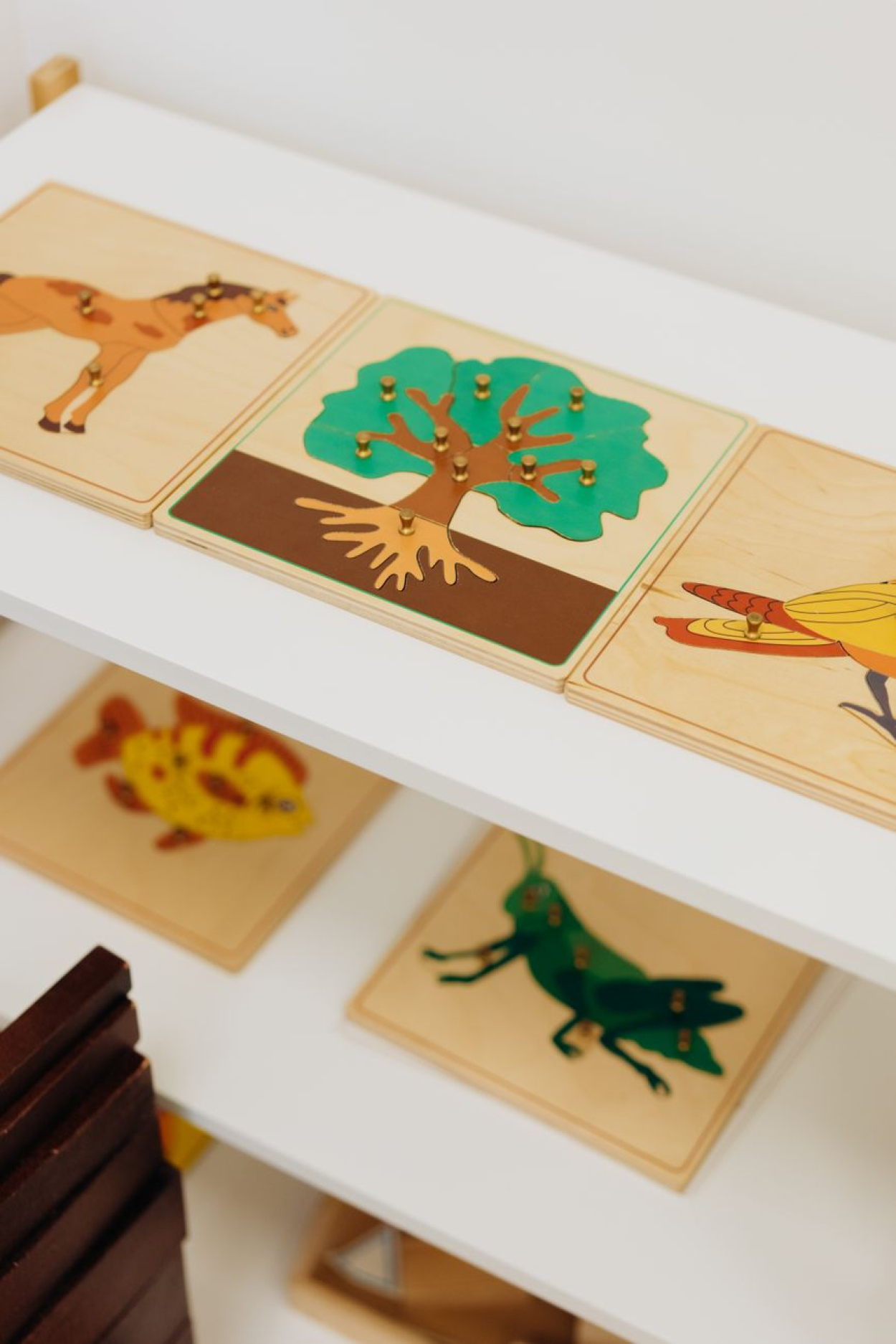
When parents say Montessori preschool, they usually mean a centre that follows Montessori principles in its environment, materials, routines, and teaching practice. That often includes uninterrupted work periods, child choice within clear limits, practical life activities, mixed-age learning, and carefully prepared spaces. Some Montessori settings also operate across childcare-friendly hours, while others are more session-based.
So the difference is not simply care versus education. In New Zealand, both are part of early childhood education. The clearer distinction is usually programme model and daily experience, not whether children are “looked after” in one setting and “educated” in the other.
Parents who want to understand Montessori more deeply can read our overview of Montessori education. Families who are specifically searching for local childcare options often also start with our childcare in Miramar page.
In New Zealand, early learning services are licensed under national rules, and all licensed services work within the early childhood curriculum framework, Te Whāriki. That means a Montessori preschool is not outside the New Zealand system; it still operates within the same broader legal and curriculum framework as other licensed early learning services.
That is important for parents because it reframes the question. You are not choosing between a “real” preschool and a separate informal model. You are choosing between licensed early learning services that may differ in philosophy, structure, hours, environment, and day-to-day practice.
We find this especially useful for families new to Wellington, or families moving from one suburb to another, because search terms like “daycare Wellington”, “childcare Wellington”, and “preschool” can produce very mixed results. Some centres are mainly designed around full-day care needs. Others are designed around a particular educational approach. Some do both.
| What to compare | Typical daycare / childcare centre | Typical Montessori preschool |
|---|---|---|
| Primary focus | Full-day education and care, often for working families | Montessori-led learning within a prepared environment |
| Daily rhythm | Often teacher-led transitions with group routines | Usually longer uninterrupted work periods and independent choice |
| Age grouping | Often separated by age room | Often mixed-age groupings, depending on the centre |
| Environment | Varies widely by service | Purposeful layout, child-sized materials, order and consistency |
| Hours | Often better suited to full working days | Can be full-day or sessional, depending on the service |
| Best question to ask | How does the centre manage long days, rest, meals, and transitions? | How authentically is Montessori reflected in the daily programme? |
We usually suggest that parents spend less time on marketing language and more time observing what children are actually doing. Are children moving with purpose? Do teachers interrupt often, or do they protect concentration? Is the room noisy and reactive, or calm and orderly? Are children waiting in groups for the next instruction, or able to continue purposeful work?
This is often where the practical difference becomes obvious.
Some children thrive in a busy, highly social environment with frequent group activity. Others do better in a calmer setting with predictable routines and space to repeat tasks. A Montessori preschool may suit families looking for consistency, independence, and a more structured environment. Another centre may suit a child who is seeking lots of large-group interaction and a different pace.
In our experience, parents often make the best decision when they ask not only, “Can this centre take my child on the days we need?” but also, “Will my child feel settled and capable here?”
For Wellington families, logistics matter. Travel across the city, airport-side work, hospital shifts, public service hours, and school pick-up needs all influence what is workable. For families in Miramar, Strathmore, Seatoun, Kilbirnie, and nearby eastern suburbs, a centre close to home can make a meaningful difference to stress levels, late pickups, and sick-day juggling.
Community discussion among New Zealand parents often reflects the same point: families weigh philosophy alongside very practical concerns such as waitlists, hours, illness disruption, staff continuity, and whether older preschoolers are well catered for as they approach school age.
One of the strongest indicators of quality for parents is often not the brochure but the consistency of the adults their child sees every week. We encourage families to ask how often relievers are used, how transitions between rooms are handled, and how the centre communicates concerns, progress, and daily observations.
If you are comparing a daycare-style service with a Montessori preschool, this question matters in both settings. Even an excellent programme can feel unsettled if staffing changes frequently.
Not every service using the word Montessori applies it in the same way. We think parents should ask specific questions: Are there uninterrupted work cycles? Are materials sequenced intentionally? How do teachers present activities? Is independence actively taught? How are grace and courtesy handled? What does mixed-age learning look like in practice?
If you would like to understand how environment and routine shape a child’s day, our page about our place gives a clearer sense of what families often look for in a prepared learning environment.
If you are choosing between daycare and a Montessori preschool, we recommend thinking in this order:
For many families, the best choice is the setting that combines dependable childcare with a clear educational approach and a calm, respectful culture. If you are in Miramar or the eastern suburbs and want to compare what an authentic Montessori option looks like in person, you can learn more about our team and approach or contact us to arrange a visit.
This article was produced by our internal early childhood education team at Montessori Children's House. We write from our day-to-day experience supporting children and whānau in a Montessori setting in Miramar, alongside ongoing review of New Zealand early learning guidance, curriculum expectations, and practical questions families ask when choosing childcare in Wellington.
