
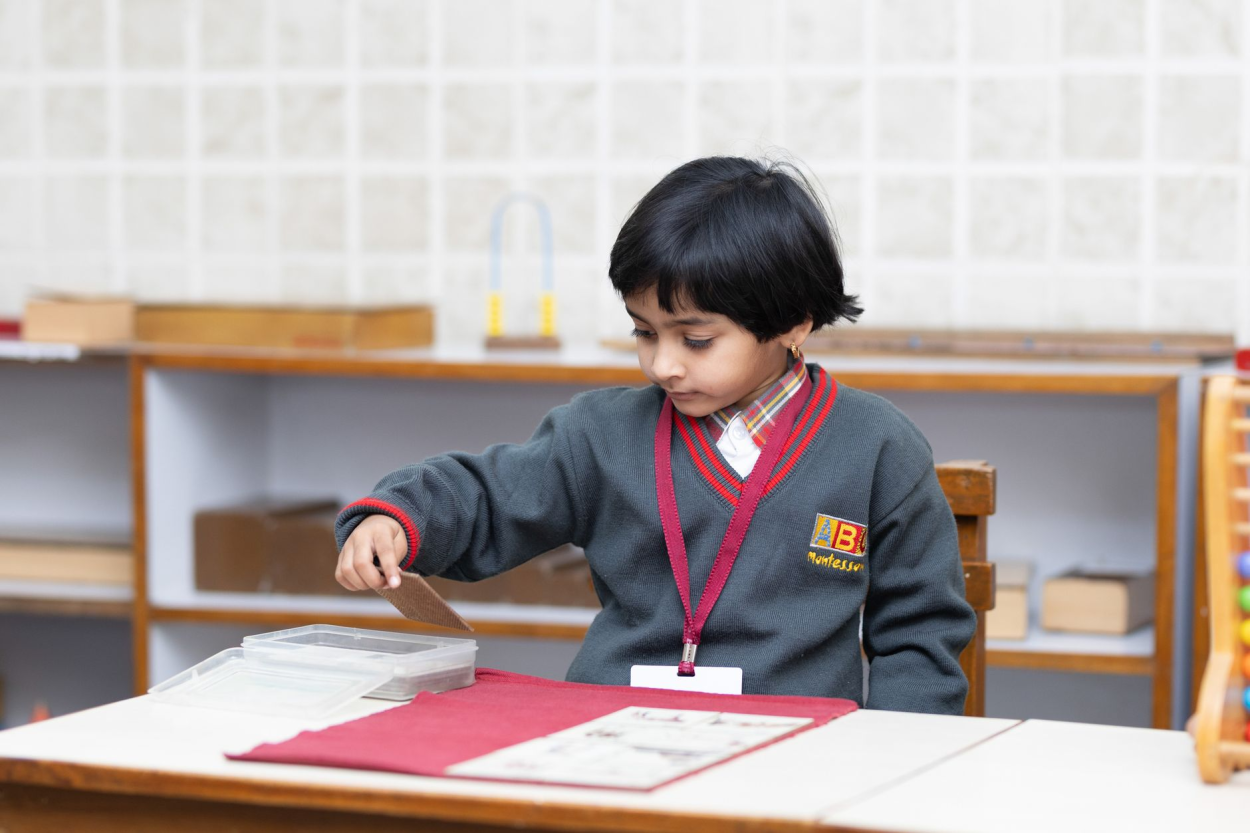
Creating a Montessori-inspired routine at home does not mean turning your house into a classroom or planning every minute of the day. In our experience working with young children and families, the best home routines are calm, repeatable, and realistic. They help preschoolers know what to expect, give them chances to do things for themselves, and reduce the friction that often shows up around mornings, meals, transitions, and bedtime.
At Montessori Children's House, we see routine as more than time management. A good routine supports independence, concentration, emotional security, and a sense of belonging. It also fits naturally with Montessori principles and with the New Zealand early childhood context, where children's learning is strengthened through relationships, everyday participation, and partnership with whānau.
If you are new to Montessori, our Montessori approach page is a helpful place to start. Families who want to understand how environment shapes behaviour may also find it useful to explore our learning environment.
Young children thrive on predictable patterns. When the order of the day is familiar, children can spend less energy figuring out what is happening next and more energy participating in what they are doing. In practice, we often see that a steady routine leads to smoother transitions, fewer power struggles, and more confidence in self-care.
A Montessori-inspired routine is not about rigid scheduling. It is about creating a dependable rhythm. That rhythm gives children repeated opportunities to practise dressing, tidying, preparing food, washing hands, helping set the table, caring for belongings, and moving from one part of the day to another with growing independence.
It also helps adults. When families agree on a simple flow for the day, it becomes easier to respond consistently and calmly, especially during busy times such as getting out the door in the morning or settling for sleep in the evening.
Preschoolers usually want to do more than adults expect. In our experience, the biggest shift for families is allowing enough time for children to try. Putting on shoes, pouring water, carrying a plate, folding a facecloth, or putting dirty clothes in a basket may take longer at first, but these repeated moments are where confidence grows.
In Montessori, we prepare the environment so the child can act with less adult dependence. At home, that may mean placing a low hook for a bag, keeping a small cup within reach, storing a few clothing choices where a child can see them, or using a basket for books and another for slippers. We do not need a perfect home. We need a home that makes the next right step easier for the child.
We encourage families not to overcomplicate things. A Montessori-inspired routine is built around real living: getting dressed, preparing breakfast, watering plants, wiping a table, packing a lunchbox, helping with laundry, tidying toys, and reading together. These activities carry more meaning for preschoolers than a long list of adult-directed tasks.
Children benefit when they know both what is expected and where they have choice. For example, a child may need to get dressed before leaving the house, but can choose between two tops. They may need to help tidy before story time, but can choose whether to put away books or blocks first. This balance helps children feel respected while still working within the routine of family life.
Many families worry that they need an exact timetable. Usually, that is not necessary. What matters more is the sequence: wake, toilet, dress, breakfast, brush teeth, leave home; or bath, pyjamas, story, lights out. A consistent order is often easier for preschoolers to understand than exact times on a clock.
Every family will adapt this differently, especially around work hours, childcare attendance, transport, and siblings. Still, a simple rhythm can be a useful starting point.
| Part of day | Possible routine | Montessori focus |
|---|---|---|
| Morning | Wake, toilet, dress, make bed simply, breakfast, clean up, brush teeth | Self-care, order, independence |
| Before leaving home | Put lunchbox or bag by the door, put on shoes, choose jacket, say goodbye calmly | Responsibility, transitions, choice within limits |
| After preschool | Snack, quiet connection time, outdoor play, one simple household task | Belonging, movement, practical life |
| Late afternoon | Help prepare food, set table, pour water, tidy a play area | Meaningful participation, coordination |
| Evening | Dinner, bath or wash, pyjamas, books, bedtime routine | Calm rhythm, predictability, security |
We usually recommend starting with just one pressure point in the day. For some families, that is the morning rush. For others, it is after preschool or bedtime. Once one part of the routine becomes smoother, the rest is easier to build.
Mornings often improve when the environment does more of the work. We suggest keeping clothing options limited and accessible, having a stable place for shoes and bags, and breaking the routine into a small number of repeatable steps. Visual order matters. If everything has a place, children are more likely to complete parts of the routine independently.
We also encourage families to slow down adult language. Instead of giving many instructions at once, try one clear step at a time: “First socks, then shoes.” This tends to be easier for preschoolers to follow and reduces overwhelm.
Food routines can be highly supportive of independence. Children can help carry fruit to the table, spread toppings, pour water from a small jug, wipe spills, scrape plates, or put dishes in a set place. These are practical life experiences, and they often increase cooperation because children feel included rather than managed.
In our experience, meals are also a useful anchor point for the day. Breakfast, afternoon tea, and dinner create natural pauses that help children understand the flow of time.
At home, we suggest keeping available choices simple rather than overwhelming. A smaller number of accessible activities often supports deeper engagement than shelves full of everything at once. Open-ended materials, books, art supplies, puzzles, and practical tasks usually work well.
It can help to think in terms of uninterrupted time. Preschoolers often settle more deeply when they are not being constantly moved from one activity to another. We typically recommend protecting some calm play time each day, especially after children have had a busy group setting.
Tidying works best when it is built into the routine rather than used only when adults become frustrated. We often say that tidying should feel like the natural closing step of an activity. Children are more successful when storage is simple: one basket for blocks, one shelf for puzzles, one place for books. The goal is not perfection. The goal is helping the child restore order with support and repetition.
Evening routines are usually strongest when they are predictable and calm. We recommend a repeated sequence such as wash, pyjamas, toilet, stories, cuddles, sleep. Many families find that reducing stimulation before bed makes the transition easier. A bedtime routine does not need to be elaborate to be effective. It needs to be steady enough that the child recognises the pattern and feels secure within it.
A Montessori-inspired routine becomes much easier when the home is arranged with the child in mind. We are not aiming for a styled or highly curated space. We are aiming for practical access and clear order.
Use low, reachable storage for a small number of everyday items.
Offer child-sized tools where possible, such as a small brush, cloth, or cup.
Keep a consistent place for shoes, bags, water bottles, and jackets.
Reduce clutter so the child can see what is available and what belongs where.
Create simple care-of-self stations, such as a step stool at the bathroom sink.
Make participation easier by preparing the task in advance, not by doing it for the child.
Families who want to learn more about how prepared environments support independence can also read about our philosophy and practice.
One of the most common issues is trying to change the whole day at once. A new routine is more likely to last when families choose one or two habits first and repeat them consistently.
Montessori does not mean leaving a child to manage alone. It means offering the right level of help, then gradually stepping back. Sometimes that means demonstrating slowly. Sometimes it means staying nearby but not taking over.
Choice can be helpful, but too many options can create delay and conflict. For preschoolers, two clear options are often enough.
Children learn through process. If our priority is always speed, we usually end up doing tasks for them. If our priority is growth, we make room for practice.
A Montessori-inspired routine should feel respectful, not harsh. The point is to create calm structure that supports the child and the family, not to force compliance through pressure.
In our setting, Montessori practice sits alongside the New Zealand early childhood curriculum, Te Whāriki. For families at home, that connection is very natural. A well-designed routine supports children to contribute, communicate, build confidence, and participate in family life. It also reflects the idea that learning is woven through relationships, environment, and everyday experiences rather than separated into formal lessons.
We find this particularly important for whānau who want home life to feel both grounded and developmentally purposeful. When children are included in daily routines, they are not being kept busy for the sake of it. They are building real capability.
Start with one part of the day that currently feels stressful.
Create a simple, repeatable sequence rather than a strict timetable.
Prepare the environment so your child can do more independently.
Use real household tasks as part of the routine.
Offer limited choices within clear boundaries.
Protect calm, uninterrupted play time where possible.
Expect repetition, not instant mastery.
Keep the routine consistent enough to feel secure, but flexible enough to fit real family life.
If you would like guidance on how Montessori principles can support your child more broadly, or if you are considering an authentic Montessori preschool environment, you are welcome to contact our team.
This article was produced by our internal team at Montessori Children's House in Miramar, Wellington. We wrote it from the perspective of educators and early childhood practitioners who work with young children and families in an authentic Montessori setting. Our editorial approach combines day-to-day experience supporting preschool development, practical understanding of Montessori environments and routines, and awareness of the New Zealand early childhood context shaped by Te Whāriki and partnership with whānau.