
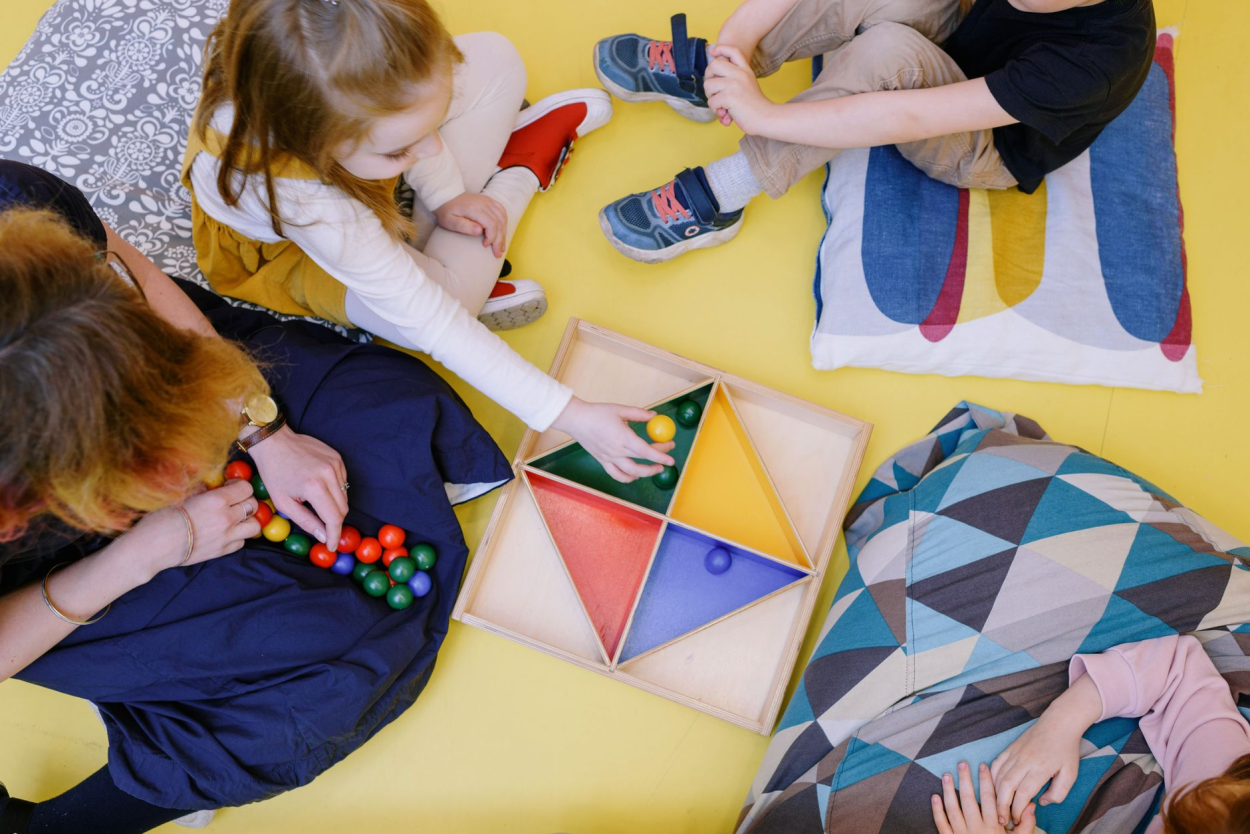
At Montessori Children’s House, we often talk with families about how the home environment shapes a child’s confidence, concentration, and sense of calm. In our experience, a child-friendly space does not need to be large, expensive, or perfectly styled. What matters most is that it is prepared with the child in mind: accessible, orderly, predictable, and peaceful.
When we help families think about home set-ups, we usually encourage them to start small. A low shelf, a place for shoes, a child-sized spot for snacks, or a quiet reading corner can make a meaningful difference. These kinds of changes support the same broad principles behind authentic Montessori practice: respect for the child, independence, freedom within clear limits, and an environment designed to help children participate in daily life.
A calm space at home also fits well with the intent of New Zealand’s early childhood curriculum, which recognises children as competent and capable learners and values belonging, wellbeing, and contribution.
In a Montessori approach, the environment is not just background decoration. We see it as an active part of the child’s learning. A well-prepared space quietly tells the child, “You can do this. You belong here. You know where things go.”
At home, that usually means reducing unnecessary clutter, making key items reachable, and giving children consistent places to work, rest, dress, eat, and help. Calm does not mean silent or rigid. It means the space feels understandable. Children can move through it without constant adult correction, and they can begin to manage simple tasks with growing independence.
We also find that calm spaces help adults. When the environment is more orderly and predictable, daily routines often become less rushed and less conflict-heavy.
If a child cannot reach it, use it, and put it back with reasonable success, it is not truly theirs. We encourage families to lower everyday items wherever practical: hooks for bags, a basket for shoes, a shelf for books, a jug for water, or a small stool at the bathroom sink.
One of the most common issues we see is too much choice at once. Overfilled toy bins, crowded shelves, and noisy visual clutter can make it harder for children to focus. We usually recommend offering fewer items, displayed clearly, with each activity or object having a defined place.
Children respond to spaces that feel warm, calm, and cared for. In our experience, natural light, neutral or gentle colours, tidy surfaces, and a few meaningful objects work better than overstimulating décor. This does not need to be expensive. A small plant, a framed family photo, or a basket made from natural materials can help the room feel inviting.
Montessori at home is not about children doing everything alone. It is about helping them do more for themselves, step by step. We encourage families to ask: can my child participate here? Can they hang up their jacket, choose a book, wipe a spill, pour water, or help set the table?
Freedom works best when the environment is predictable. We typically suggest setting clear expectations such as returning materials before choosing another activity, eating in one area, and keeping a quiet corner for rest or reading. These limits help the child feel secure rather than restricted.
The entry area sets the tone for transitions. A simple child-level set-up can include a low hook, a place for shoes, and a basket for hats or small belongings. This helps children practise arriving, unpacking, and getting ready to leave with less adult prompting.
We often suggest choosing one low shelf or cabinet for children’s materials rather than spreading toys across the whole room. A few books displayed front-facing, a puzzle or practical activity, and a soft mat for floor work can be enough. If possible, include a defined place for art materials and a visible cloth or brush for tidying up.
A child-friendly bedroom supports both rest and independence. That might mean accessible clothing, a hamper for dirty clothes, a low bookshelf, and limited distractions around sleep. Some families also create a quiet corner for reading or looking at books independently.
This is one of the best places to support capability. A low drawer with child-safe utensils, a small water dispenser or jug, a placemat for snacks, and opportunities to help with washing fruit or setting the table all invite meaningful participation. In our experience, children are often calmer when they are included in real household life rather than constantly redirected away from it.
A sturdy stool, reachable hand towel, brush, and simple toileting supplies can make routines much smoother. The key is making care tasks manageable without creating unnecessary complexity.
Many families benefit from setting aside one calm place for rest, reading, or emotional regulation. This is not a punishment space. We think of it as a retreat: perhaps a floor cushion, a few books, soft light, and limited visual noise. It can help children learn to pause and reset.
| Area | Simple change | Why it helps |
|---|---|---|
| Entry | Low hook and shoe basket | Supports independence during arrivals and departures |
| Living room | One low shelf with limited choices | Reduces overwhelm and improves focus |
| Bedroom | Accessible clothing and book storage | Encourages self-care and calm routines |
| Kitchen | Child-sized water station or snack area | Builds confidence and practical life skills |
| Bathroom | Stool, reachable towel, simple grooming set-up | Makes care routines more manageable |
| Quiet space | Cushion, a few books, low-stimulation setting | Supports rest, reading, and regulation |
We usually recommend changing one area first. When families attempt a full home overhaul in a weekend, the result is often stress for adults and inconsistency for children.
Montessori is not a decorating trend. A beautiful room matters less than whether the child can actually use it with independence and purpose.
More is not always better. In practice, a smaller number of well-chosen materials often leads to deeper engagement.
Prepared spaces need ongoing care. We encourage families to observe what is working, remove what is not being used, and adjust the set-up as the child grows.
Children still need modelling, repetition, and time. A good environment supports development, but it does not replace patient guidance.
If you are not sure where to begin, we recommend choosing one daily routine that feels stressful right now. That may be getting ready in the morning, snack time, toy mess in the living room, or bedtime. Then ask a few practical questions:
Very often, the best changes are the simplest ones. A lower shelf, fewer choices, a better basket, or a more predictable place for belongings can noticeably improve the flow of family life.
Families who want to understand more about the prepared environment can explore our pages on Our Place and About, where we share more about how we think about children, space, and daily learning. If you would like to talk with us about supporting continuity between preschool and home, you are also welcome to contact us.
This article was produced by our internal team at Montessori Children’s House. Our work is grounded in authentic Montessori early childhood practice, day-to-day experience with young children and families, and ongoing reflection on how prepared environments support independence, wellbeing, belonging, and learning. We write from the perspective of practitioners who regularly observe children in real educational settings and help families translate these principles into practical, workable changes at home.