
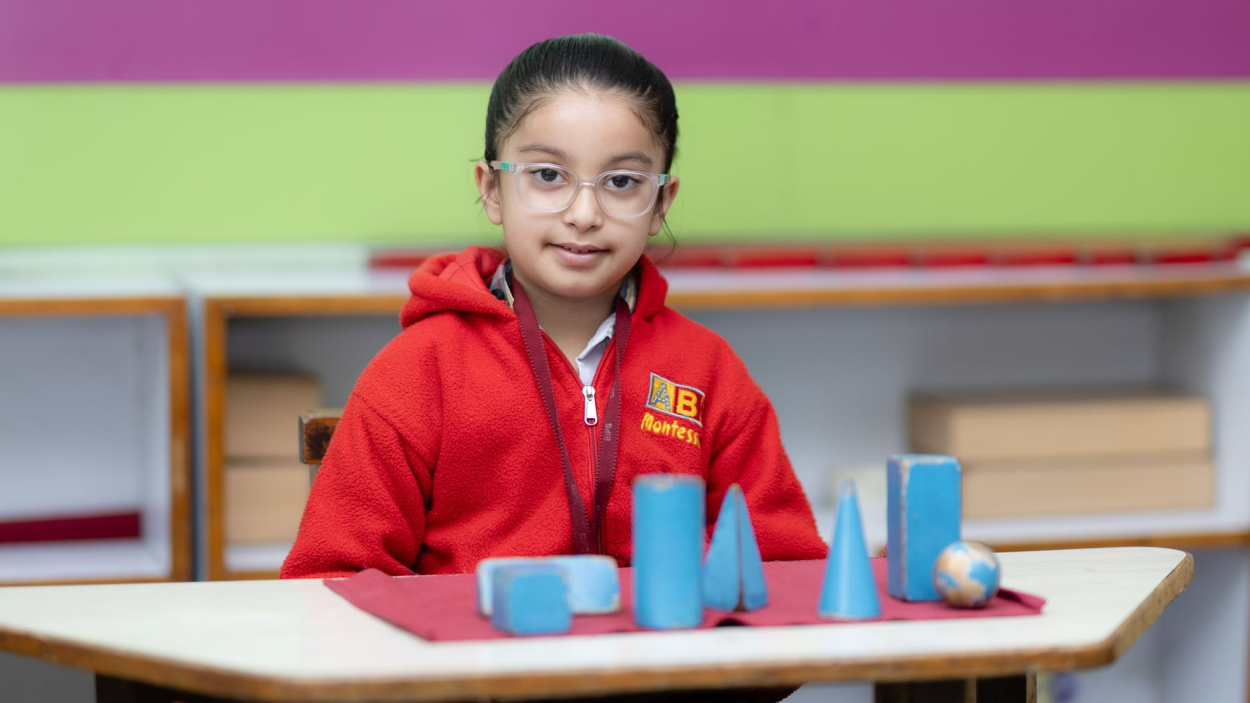
Bringing Montessori into the home does not require special equipment, expensive toys, or a perfectly arranged playroom. In our experience working with young children and families, the most valuable Montessori activities are often the simplest ones: pouring water, matching socks, washing fruit, sorting kitchen items, listening carefully, and helping with real daily routines.
For children aged 3 to 5, home is full of meaningful learning opportunities. At this stage, children are building independence, coordination, language, concentration, order, and confidence. When we support these skills through everyday tasks, we are not adding more pressure to family life; we are helping children participate in it.
If you would like to learn more about our approach, you can explore our Montessori philosophy, see our learning environment, or read more about our team.
At home, Montessori is less about replicating a classroom and more about following a few clear principles. We typically encourage families to focus on:
These principles align closely with child development research on play, autonomy, and responsive adult support, and they also fit naturally with the everyday rhythms of family life.
| Activity | What You Need | Skills Supported | Age Guide |
|---|---|---|---|
| Pouring water | Two small jugs or cups, tray, towel | Hand control, concentration, independence | 3-5 years |
| Spoon transfer | Two bowls, spoon, dry beans or oats | Fine motor control, focus, coordination | 3-4 years |
| Sock matching | Clean laundry | Visual discrimination, order, practical contribution | 3-5 years |
| Fruit washing and peeling | Soft fruit or bananas, bowl, cloth | Practical life, sequencing, care of self | 3-5 years |
| Sound games | Everyday objects or spoken words | Listening, vocabulary, early phonological awareness | 3-5 years |
| Sorting household items | Buttons, lids, pegs, spoons | Classification, early maths, language | 3-5 years |
| Table wiping | Small cloth, bowl of water | Gross motor control, responsibility, order | 3-5 years |
| Plant care | Small watering container, houseplants or garden pots | Routine, care for environment, coordination | 3-5 years |
Practical life is usually the easiest place for families to begin because the materials are already in the house and the purpose is clear. Children at this age genuinely want to do what adults do.
Set up two small containers and invite your child to transfer water, rice, oats, or dry pasta from one to the other. We suggest starting with larger objects such as pasta or big beans before moving to smaller materials. A tray or baking dish underneath helps contain spills and gives the activity a defined workspace.
What matters most is not a perfect result. It is the repeated movement, the control of the hand, and the child’s growing confidence in managing a task alone.
Children can wash apples, peel bananas, tear lettuce, spread butter, slice soft fruit with a child-safe utensil, or carry napkins to the table. In our experience, these tasks are often more engaging than toy-based activities because they are purposeful and immediately rewarding.
Wiping a table, dusting a shelf, watering a plant, polishing a mirror, or sweeping crumbs into a dustpan all support coordination and responsibility. These are especially useful for children who seem restless, because movement with purpose can be very regulating.
Encourage your child to practise putting on shoes, hanging up a jacket, folding pyjamas, brushing hair, or washing hands carefully. These moments can be slowed down and treated as learning opportunities rather than rushed transitions.
At ages 3 to 5, language development grows well through conversation, careful listening, naming, storytelling, and sound awareness. We do not need flashcards to make this meaningful at home.
Try saying, “I spy something that starts with ssss,” and let your child look for an object that begins with that sound. This helps children notice sounds in spoken language before expecting them to read or write.
Gather a few related household items, such as kitchen tools, fruits, or clothing. Name each object clearly and invite your child to sort them, match them, or describe what they are used for. This builds vocabulary through real objects rather than abstract pictures.
We often encourage families to talk through the day in sequence: “First we went to the shop, then we chose bananas, then we came home and unpacked them.” This simple habit supports memory, sequencing, and expressive language.
Young children build mathematical understanding best through concrete experiences. Before formal sums, they need to compare, sort, count, sequence, and notice patterns.
Use pegs, spoons, leaves, bottle lids, or blocks. Invite your child to sort by size, colour, shape, or use. Ask questions like, “Which group has more?” or “Can you make a pattern?”
Count apples into a bowl, cups onto the table, or steps to the letterbox. We usually find that counting tied to a real action keeps children more engaged than asking them to recite numbers without purpose.
Set one spoon at each place setting or place one flower in each small jar. This helps children understand that each number connects to one object or one action.
Not every Montessori activity needs to involve busy movement. Some of the most useful home activities help children slow down, observe, and refine their senses.
These activities are simple, but they strengthen attention and observation in ways that support later learning.
Families often ask whether they need to change the whole house to “do Montessori properly.” Our answer is no. Small changes are usually enough.
A prepared environment at home is really about clarity, order, and access. It helps children say, “I can do this myself.” If you are considering how environment shapes learning, our page on our place offers a helpful view of how thoughtful spaces support independence.
When families begin Montessori at home, we often see a few understandable missteps:
Community discussions among Montessori educators and parents often echo the same point: consistency matters more than perfection. In day-to-day practice, simple routines tend to last longer than ambitious setups.
If you want to start this week, we suggest keeping it very simple:
The goal is not to turn home into school. It is to help your child feel capable, included, and trusted. That is often where the best learning begins.
If you would like to discuss how Montessori principles can support your child’s early years, we invite you to contact us.
This article was produced by our internal early childhood education team at Montessori Children's House. We draw on our day-to-day experience supporting young children in authentic Montessori environments, working alongside families, and aligning practice with child development, Te Whāriki, and respectful, relationship-based care. Our editorial approach combines practical classroom insight with careful review of credible public guidance so that the advice we share is useful, grounded, and trustworthy for families.