
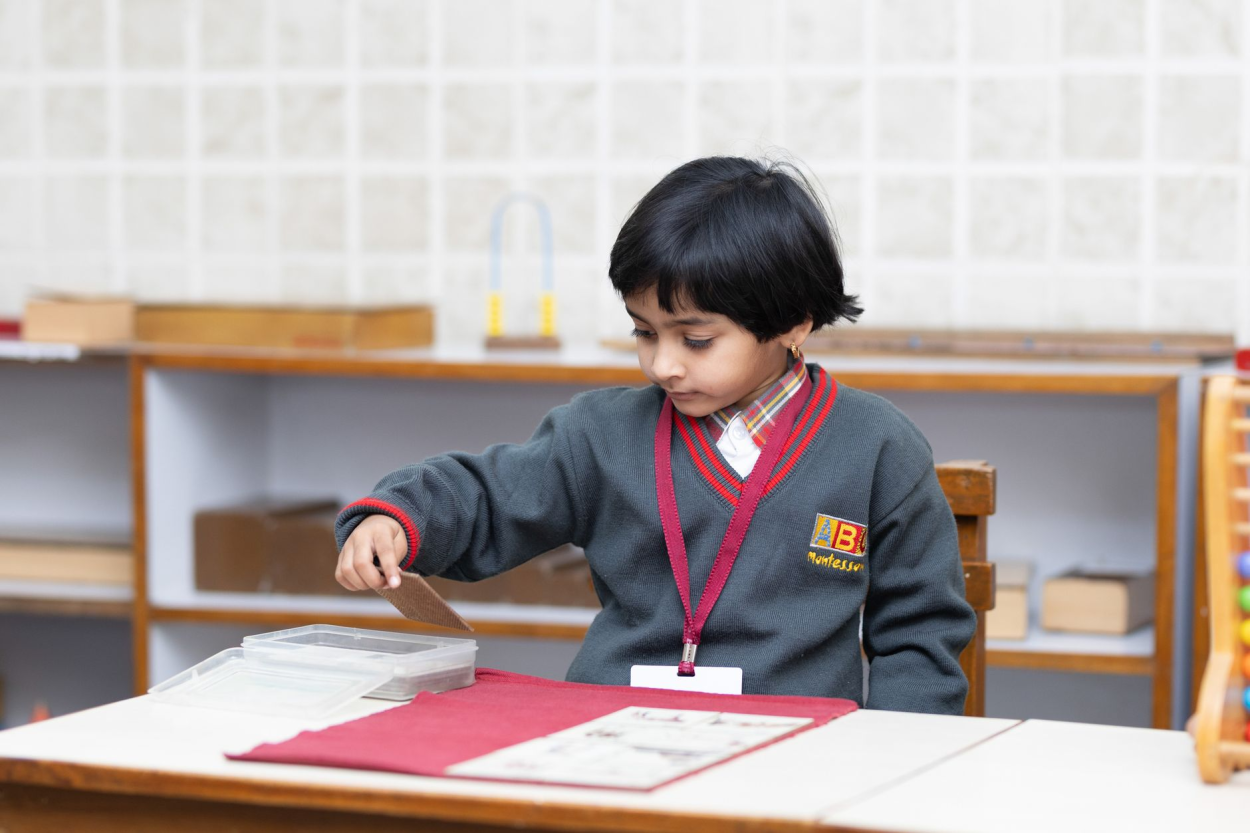
Choosing a preschool is one of the most important early decisions a family makes. We know from working closely with children and whānau that this choice is rarely just about location or hours. It is usually about fit: the fit between your child’s temperament, stage of development, interests, and the learning environment they will enter each day.
When families compare Montessori and traditional preschool, they are often really asking deeper questions. Will my child be encouraged to become independent? Will they feel secure and understood? Will they learn through play, structure, movement, conversation, and hands-on experience? And how much guidance should adults provide along the way?
In our experience, there is no one-size-fits-all answer. Both Montessori and traditional preschool settings can support children well when they are thoughtfully run. The difference is in how learning is organised, how adults respond, and what kind of daily experience children have.
At our centre, our approach is grounded in authentic Montessori practice while also sitting within Aotearoa New Zealand’s early childhood curriculum framework, Te Whāriki. Te Whāriki guides all early learning services in New Zealand and emphasises learning through relationships, belonging, wellbeing, communication, and exploration. Montessori, by comparison, offers a distinctive method built around independence, a carefully prepared environment, and purposeful hands-on learning materials.
If you are still getting familiar with how Montessori works in practice, you can explore more about Montessori, learn about our learning environment, or read more about our team and philosophy.
Montessori and traditional preschool often share broad goals: helping children grow in confidence, social understanding, communication, and readiness for later learning. Where they differ is in the route they take.
In a Montessori setting, we typically focus on fostering independence, concentration, self-direction, and respect for each child’s natural developmental rhythm. The environment is intentionally prepared so children can choose meaningful work, repeat activities, care for themselves and their surroundings, and learn through concrete materials.
In a traditional preschool, the programme is often more teacher-led and group-oriented. Activities may be organised around shared themes, whole-group mat times, art projects, songs, story sessions, and free play periods. In strong traditional programmes, children still learn through play and exploration, but the adult usually sets more of the structure for what happens and when.
That difference matters because children experience autonomy, transitions, and attention in distinct ways depending on the model.
| Area | Montessori preschool | Traditional preschool |
|---|---|---|
| Learning approach | Child-led within a carefully prepared structure | Often teacher-led with planned group activities |
| Classroom setup | Purposeful materials arranged for independent access | Learning centres, toys, craft areas, and group spaces |
| Teacher role | Guide, observer, and facilitator | Instructor, planner, and group leader |
| Daily rhythm | Longer uninterrupted work periods are common | More frequent transitions between activities |
| Mixed ages | Often mixed-age groupings | More commonly grouped by age |
| Independence | Strong emphasis on self-care and self-management | Usually supported, but often with more adult direction |
| Materials | Specialised hands-on Montessori materials | Broader mix of open-ended toys, crafts, and theme resources |
| Group time | Typically used more selectively | Often a central part of the day |
| Assessment of progress | Observation-based, focused on development and mastery | Observation-based, often linked to programme participation and developmental goals |
One of the biggest differences families notice is the feel of the room itself.
In Montessori, the environment is part of the teaching. We prepare spaces so children can move with purpose, choose from accessible materials, return items independently, and build concentration without constant interruption. Furniture, resources, and routines are designed to support order, calm, and self-direction. This is not about making children work quietly at all times. It is about helping them develop focus, coordination, responsibility, and confidence through meaningful activity.
Traditional preschools can feel more varied and expressive in their setup. You may see dramatic play corners, sensory stations, blocks, messy play, art tables, and rotating theme displays. That can be highly engaging, especially for children who love variety, collaborative play, and frequent adult-led experiences.
In our experience, the key question is not which room looks busier or quieter. It is which environment best matches how your child learns. Some children flourish when they can settle deeply into a task and repeat it until satisfied. Others light up when responding to lively group energy and varied activity blocks.
The teacher’s role is another major point of difference.
In Montessori, we observe carefully before stepping in. Rather than leading every moment, we introduce materials intentionally, model how to use them, and then give children room to practise, repeat, and problem-solve. The aim is not less teaching. It is a different kind of teaching: precise, responsive, and designed to help the child become increasingly capable without overreliance on adults.
In a traditional preschool, teachers may take a more visible leadership role throughout the day. They often gather children for shared instruction, lead songs and stories, set up collaborative projects, and move the group through a planned sequence. This can create strong shared experiences and can be especially helpful for children who enjoy adult energy, explicit direction, and frequent social interaction.
We often encourage parents to watch how adults interact with children during a visit. Are teachers calm, respectful, and attentive? Do they speak to children with warmth? Do they allow space for effort, mistakes, and independence? In practice, those qualities matter just as much as the label on the door.
A common misconception is that Montessori is highly academic and traditional preschool is purely social. In reality, both approaches can support social development, but they tend to do it differently.
Montessori often builds social growth through daily responsibility, grace and courtesy, mixed-age interaction, turn-taking, respect for shared space, and collaborative but purposeful community life. We frequently see children develop confidence by learning to pour water, prepare food, tidy their work, ask for help appropriately, and contribute to the group in real ways. These small acts are not separate from social development. They are part of it.
Traditional preschool may place more emphasis on group participation, shared play themes, circle times, and collaborative activities. Many children enjoy that communal rhythm and learn valuable skills through it, including listening in a group, joining imaginative play, and adapting to transitions.
Routine is also important. Montessori classrooms often protect longer uninterrupted blocks of time, which helps children enter deep concentration. Traditional settings may have more transitions throughout the day, which can keep the pace lively but may also be harder for some children who need time to settle fully into an activity.
We are always cautious about making rigid predictions, because children are complex and development changes quickly in the early years. Still, there are patterns we often see.
A Montessori setting may suit children who:
A traditional preschool may suit children who:
That said, children can also grow into an environment. A quieter child may blossom in a community that carefully nurtures independence. A highly active child may settle beautifully when offered purposeful work. Equally, some children benefit from the dynamic pace and expressive variety often found in traditional preschool settings.
When families visit early learning centres, we usually suggest looking beyond brochures and asking practical questions such as:
We also recommend observing the children themselves. Are they engaged? Do they appear secure? Are they moving with purpose, curiosity, and confidence? The most helpful answers often come from what you can see and feel in the room.
In New Zealand, all licensed early childhood services work within the framework of Te Whāriki. That means Montessori and non-Montessori settings alike should be supporting children’s wellbeing, belonging, contribution, communication, and exploration. The practical difference is how each setting brings those outcomes to life.
From our perspective, authentic Montessori practice can sit very naturally alongside Te Whāriki because both value the capable child, respectful relationships, and learning that grows through active engagement. What matters is that the centre is thoughtful, intentional, and genuinely aligned with children’s developmental needs rather than simply using labels.
If you are deciding between Montessori and traditional preschool, we suggest narrowing your decision to three questions:
In our experience, the best preschool choice is the one where your child can build trust, belonging, independence, and joy in learning. If you would like to see how this works in an authentic Montessori setting, we welcome families to learn more about us or contact our team to arrange a visit.
This article was produced by our internal early childhood education team at Montessori Children’s House. Our editorial process draws on day-to-day experience in preschool and childcare, our understanding of authentic Montessori practice, and our work supporting children and whānau in the Miramar community. We review each article with a practical lens so it reflects real early learning questions families ask, while staying grounded in recognised early childhood education frameworks and guidance relevant to Aotearoa New Zealand.