
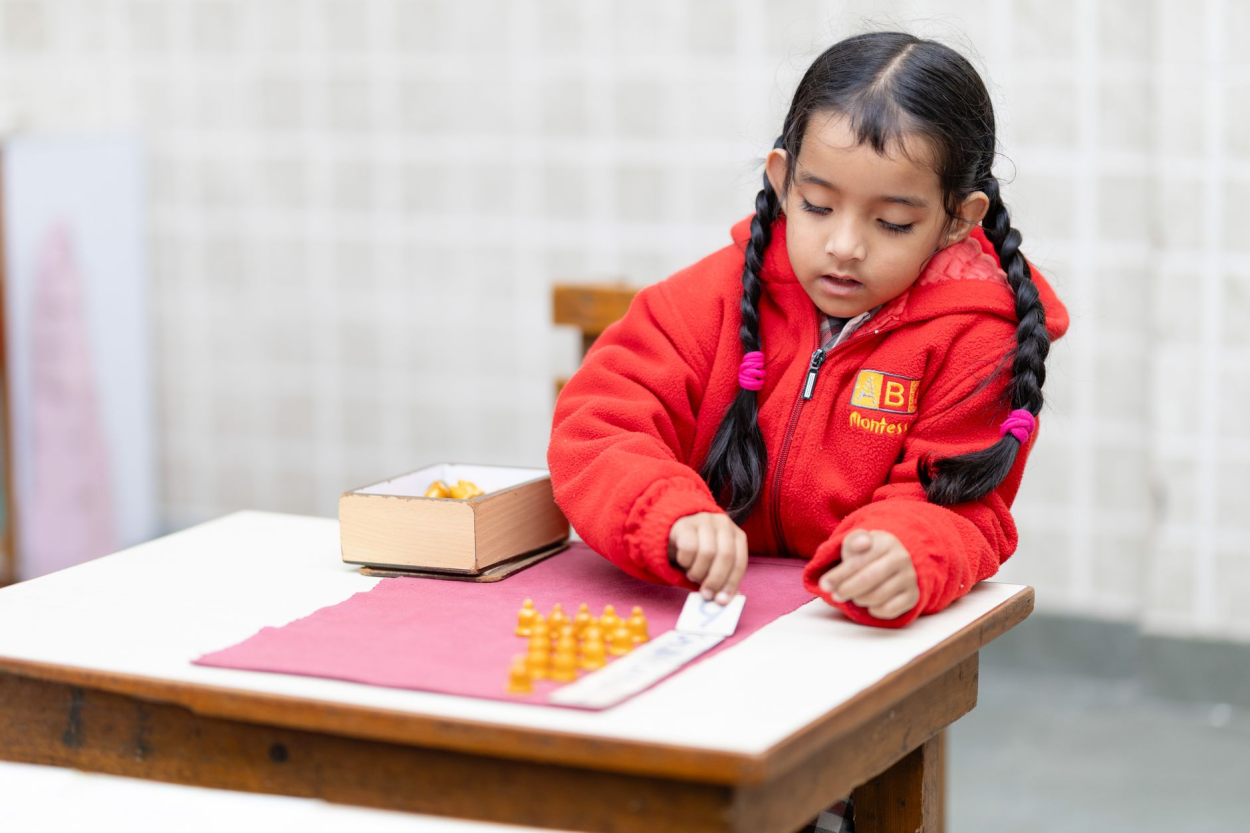
At pick-up time, many parents ask the most natural question in the world: “How was your day?” In our experience, young children often answer with “good”, “fine”, or “I don’t know” — not because nothing happened, but because they are still processing a full day of movement, friendships, choices, feelings, and discovery.
When we work with families, we often suggest shifting from broad questions to specific, gentle prompts that help children revisit real moments from their day. This approach can lead to warmer, more meaningful conversations and give parents better insight into what their child is noticing, enjoying, and working through.
In a Montessori setting, we value careful observation, respect for the child, and communication that follows the child’s lead. That is also a helpful way to think about pick-up conversations at home. Rather than pressing for a report, we can create space for connection.
If you would like to learn more about our approach, you can explore our Montessori philosophy, read about our learning environment, or learn more about our team.
Pick-up is more than a transition from school to home. It is often one of the first moments in the day when children reconnect with their parent or caregiver in a calm, familiar way. Small conversations during this window can support language, emotional literacy, and a child’s sense that their experiences matter.
We also see that children are more likely to keep sharing when they feel there is no “right” answer. Open-ended but concrete prompts can help them recall events, describe feelings, and build confidence as communicators. This aligns closely with Te Whāriki, which emphasises communication, reciprocal relationships, and the role of whānau in children’s learning.
In our experience, short answers at pick-up are completely normal. Young children may be tired, hungry, overstimulated, or still deeply focused on the last thing they were doing. Some children also need time before they can put experiences into words.
We usually remind families that a child who does not want to talk immediately is not necessarily withdrawn or unhappy. Often, they simply need a softer entry point. A specific question about a person, activity, object, or feeling is easier to answer than a broad request to summarise the whole day.
We also find that timing matters. Some children talk most on the walk to the car, some during afternoon tea, and others at bedtime. Meaningful conversation does not always happen the minute you arrive.
The most effective questions are usually simple, specific, and free from pressure. We recommend using prompts that help your child revisit one moment rather than explain the entire day.
These questions fit well with Montessori practice because they focus on the child’s effort, concentration, and purposeful activity rather than only the final result.
We like these questions because they help children notice community, contribution, and social awareness without turning the conversation into an interrogation.
These prompts can help children name emotions and experiences more clearly. Over time, that can make it easier for them to talk about both enjoyment and challenge.
Questions like these are especially helpful for children who are strong observers but not always eager to discuss events directly.
| Question type | What it helps with | Example prompt | Best time to use it |
|---|---|---|---|
| Activity-based | Recalling work and concentration | What did you work on today? | When your child seems calm but not talkative |
| People-based | Social awareness and belonging | Who did you spend time with today? | After group activities or social days |
| Feeling-based | Emotional literacy | What made you feel proud today? | When your child needs help naming emotions |
| Observation-based | Language and memory | What did you notice outside today? | For children who like details and sensory recall |
| Challenge-based | Resilience and problem-solving | What felt hard at first? | When building confidence and reflection |
In our experience, the question matters, but the response matters even more. If children feel rushed, corrected, or cross-examined, many will shut down quickly. If they feel heard, they are more likely to keep going.
We usually recommend a few simple habits:
This kind of back-and-forth conversation supports connection as much as information. Often, the goal is not to gather every detail. It is to help your child feel safe sharing what stood out to them.
In a Montessori environment, we try to observe before we direct. That same principle can help at pick-up. Rather than deciding what your child should report, we can notice their mood, energy, and interest, then respond accordingly.
For example, if your child comes out excited and carrying a story in their body, a question like “You look pleased — what happened?” may work beautifully. If they seem quiet or tired, a gentler prompt such as “Would you like to tell me now, or later at home?” may be more respectful.
We also find that children often share more when adults comment on something concrete:
These observations invite conversation without demanding it.
Not every question opens a door. Some unintentionally close it. We generally suggest avoiding:
For example, “Were you good today?” can make children focus on approval rather than reflection. “Did anyone bother you?” may create tension before your child has had the chance to settle. A calmer alternative might be, “How did things feel with your friends today?”
If you are thinking about how daily conversations connect with the broader learning environment, our team is always happy to talk with families about our approach. You can contact us if you would like to learn more.
This article was produced by our internal Montessori Children’s House editorial team in consultation with our early childhood education practice perspective. We write from the standpoint of a team engaged in authentic Montessori preschool and childcare, with day-to-day experience supporting tamariki, communicating with whānau, and translating early learning principles into practical guidance for families. Our editorial process is shaped by Montessori practice, the New Zealand early childhood curriculum context, and a commitment to clear, trustworthy family communication.