
From tiny seeds to thriving gardens, our recent Botany Study gave our tamariki the opportunity to explore how plants grow, respond to their environment, and connect with the living world around us.
Botany is an important part of the Montessori Cultural Curriculum. Rather than simply learning the names and parts of plants, children are encouraged to observe, experiment, care for living things, and discover patterns in nature for themselves.
Over the past few weeks, our tamariki have been exploring plants through a series of hands-on experiments and real-world experiences.
We began our study with something very small — a bean seed.
The children observed bean seeds as they germinated and changed over time. They watched as the seed coat opened, roots began to emerge, and eventually a young shoot reached upwards.
By returning to the seeds regularly, the children were able to see that growth is a gradual process. This encouraged careful observation, patience and an appreciation for the remarkable changes taking place inside something as simple as a seed.
Our experiments also encouraged the children to think like young scientists.
We explored the effect of water on seeds, comparing what happened when seeds had access to water and when they did not. This helped the children discover for themselves why water is essential for germination and growth.
We also investigated the effect of light on plants. By placing plants in different light conditions, the children could observe how plants responded and changed over time.
Looking more closely at the leaves allowed us to explore another question: What happens to leaves when they receive different amounts of light?
These simple experiments introduced the children to important scientific ideas through concrete experiences — observing, comparing, asking questions and noticing change.
Our Botany Study extended beyond the plants themselves.
Through our worm farm, the children explored the important role worms play in a healthy garden. They learned that food scraps and other organic material can be broken down and returned to the soil, helping create nutrients that support new plant growth.
Caring for the worm farm also gives the children an opportunity to take responsibility for another living system and begin to understand that in nature, very little exists in isolation.
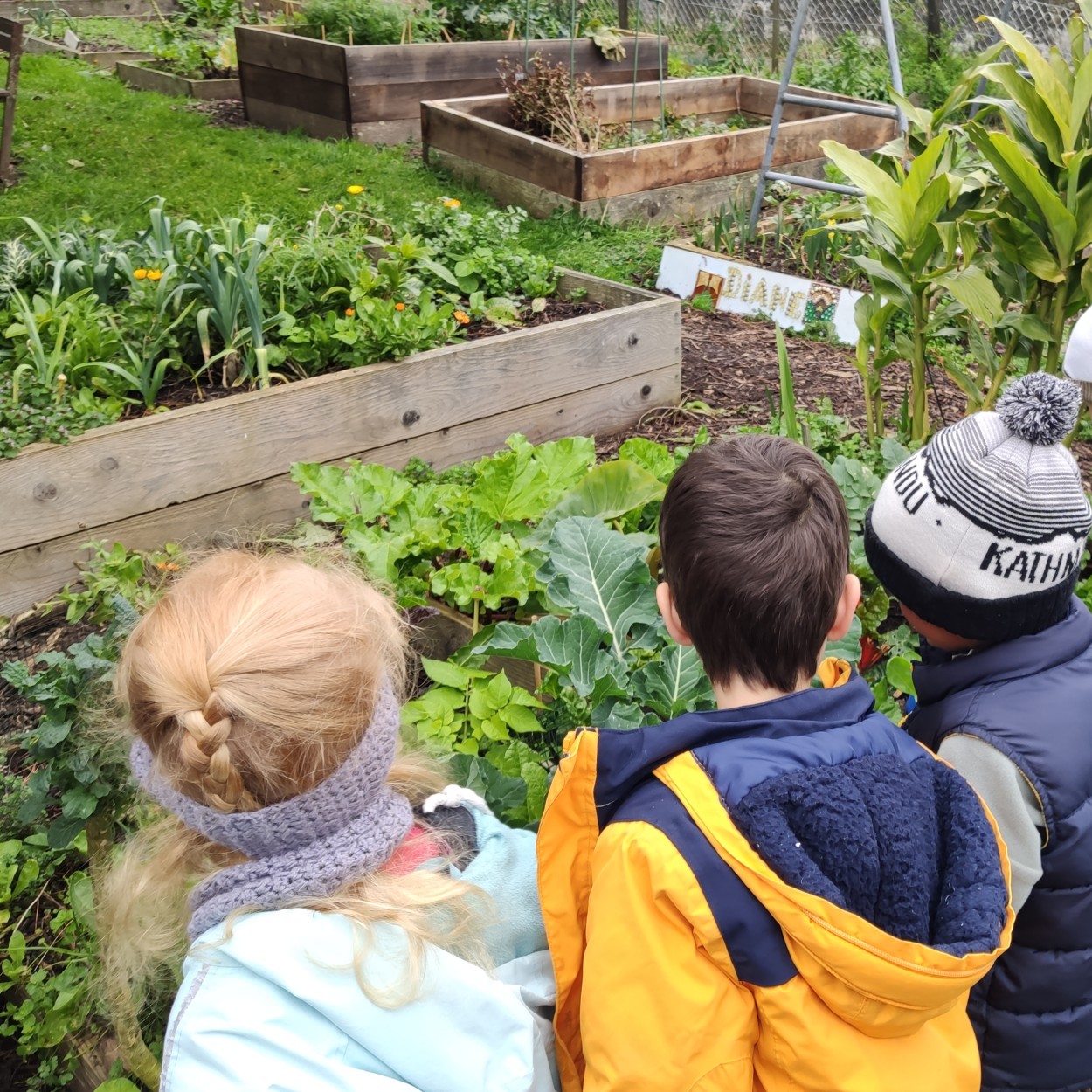
One of the highlights of our study was a visit to the local prison garden, where the children were able to see many of the ideas we had explored in the classroom happening on a much larger scale.
Seeing a working garden gave our tamariki an opportunity to connect their experiments with the real world — observing how plants are cared for, how gardens change with the seasons, and how people work together to grow and maintain them.
Experiences like this help children understand that learning is not limited to the classroom. The natural environment and our wider community can become an extension of the Montessori learning environment.
Through Botany, children are developing much more than knowledge about plants.
They are learning to observe carefully, make comparisons, recognise cause and effect, care for living things and develop respect for the natural environment. They are also discovering that growth takes time — something that cannot always be rushed, but can be supported through the right conditions and careful attention.
From watching the first root emerge from a bean seed to exploring a working garden in our community, our Botany Study has encouraged our tamariki to slow down, look closely and wonder about the living world around them.
And sometimes, the biggest discoveries begin with something as small as a seed.
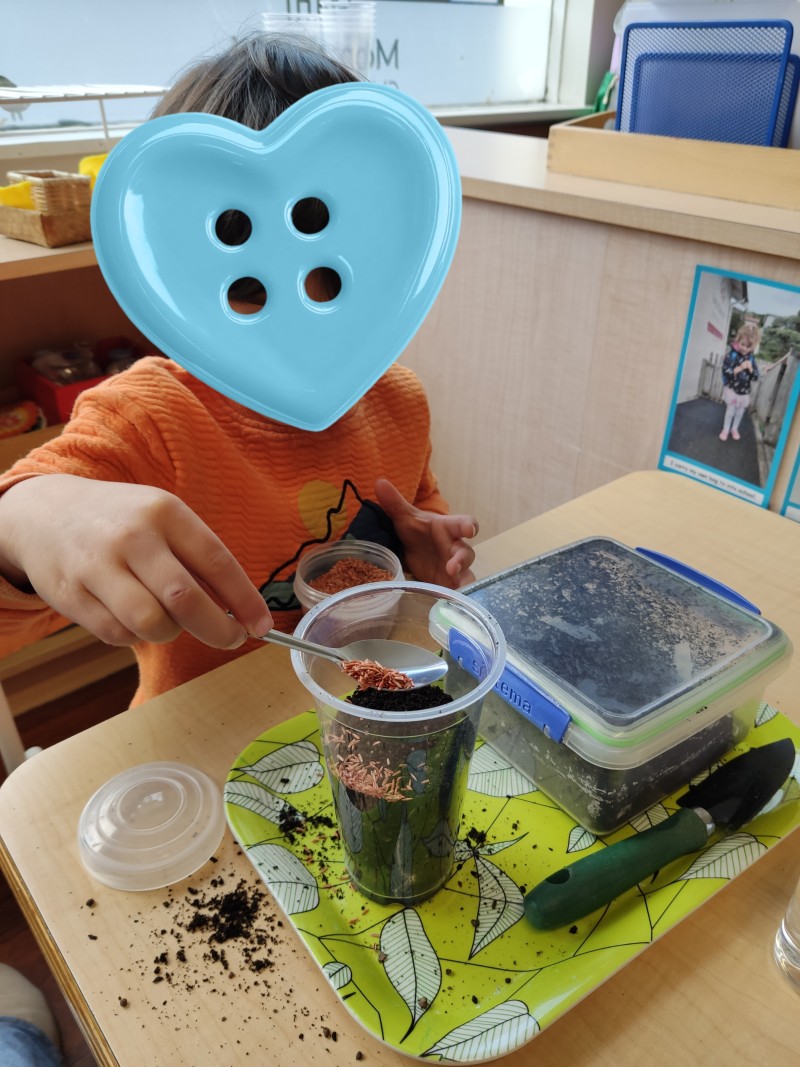 Growing seeds
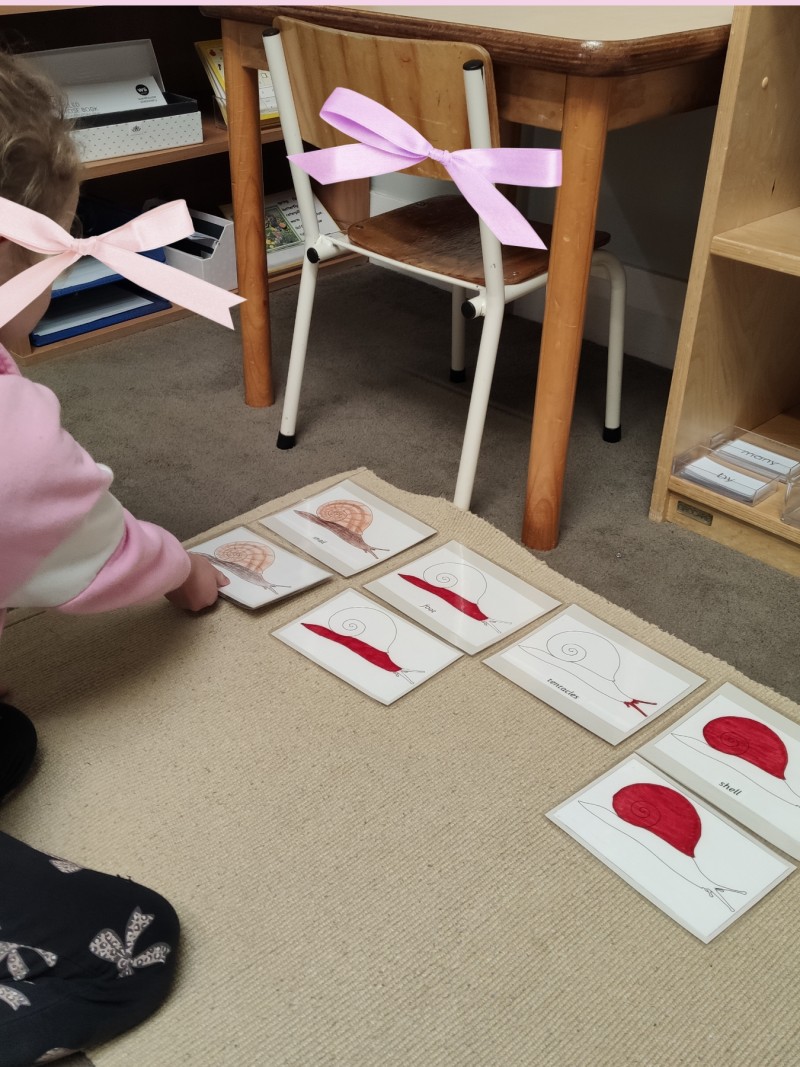 What's in the garden?
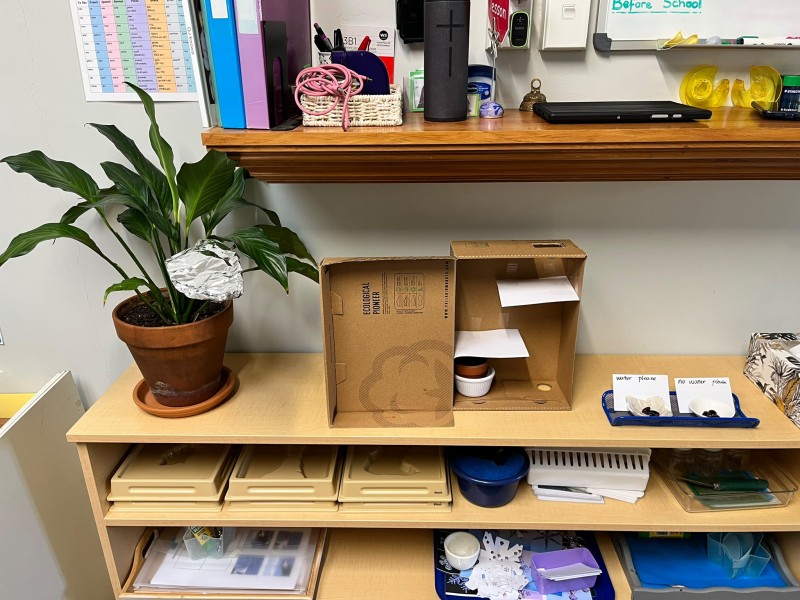 Our botany set up
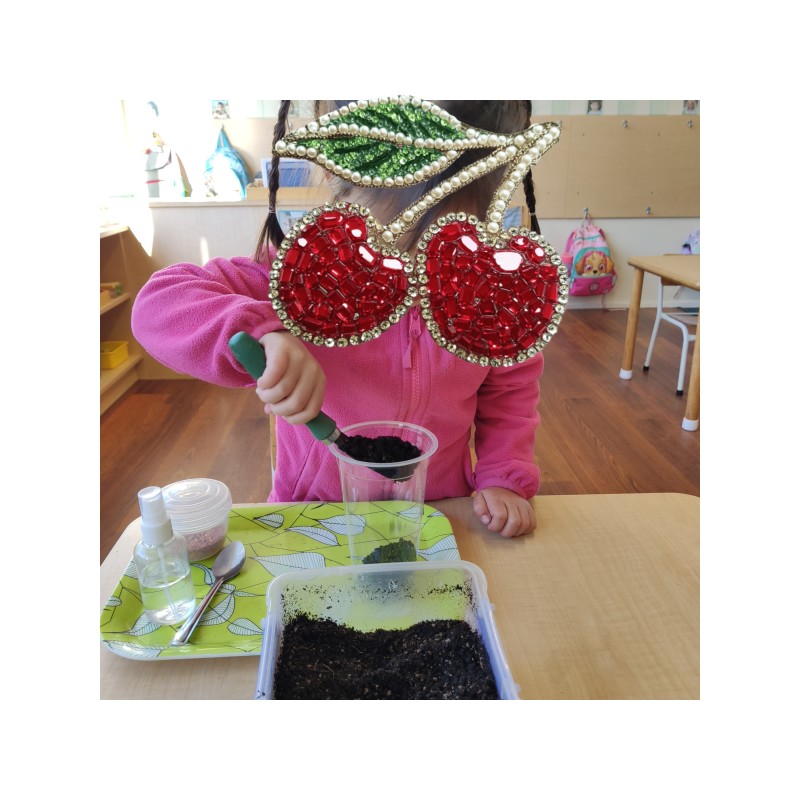 children trying to grow seeds
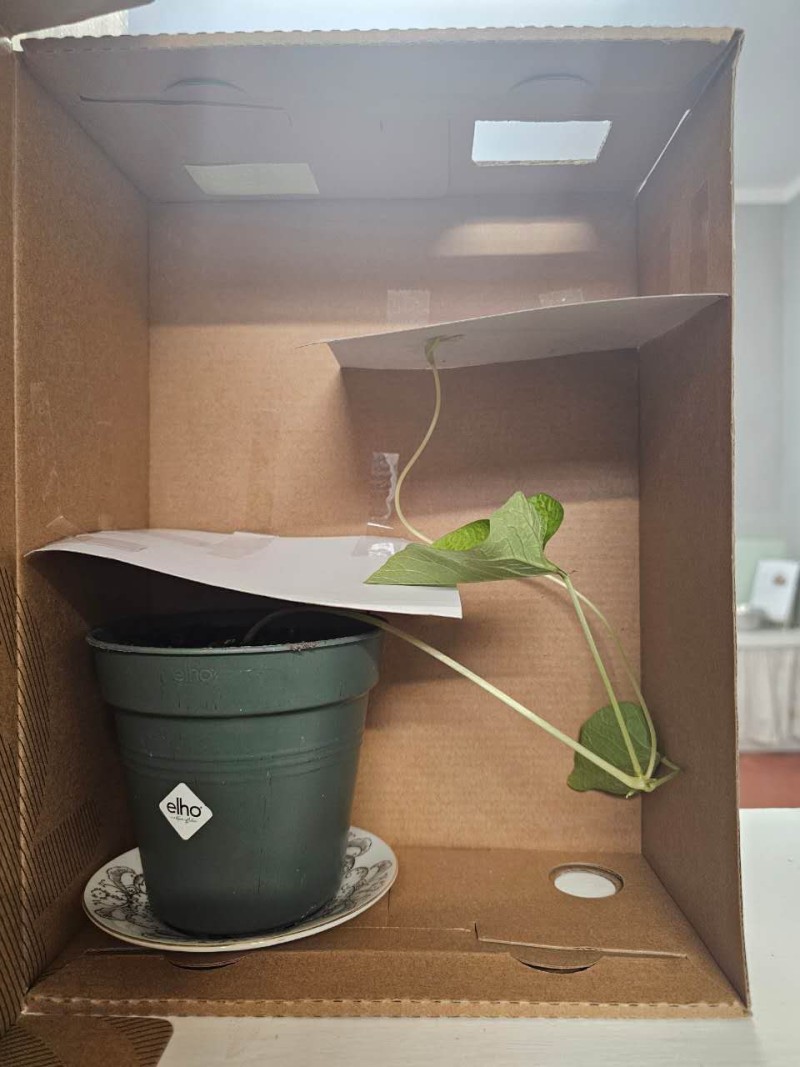 The experiment of plants growing towards light